HERITAGE & CONTEMPORARY LIVING

Heritage is not simply about preserving the past, but understanding how existing buildings can evolve to accommodate contemporary life.

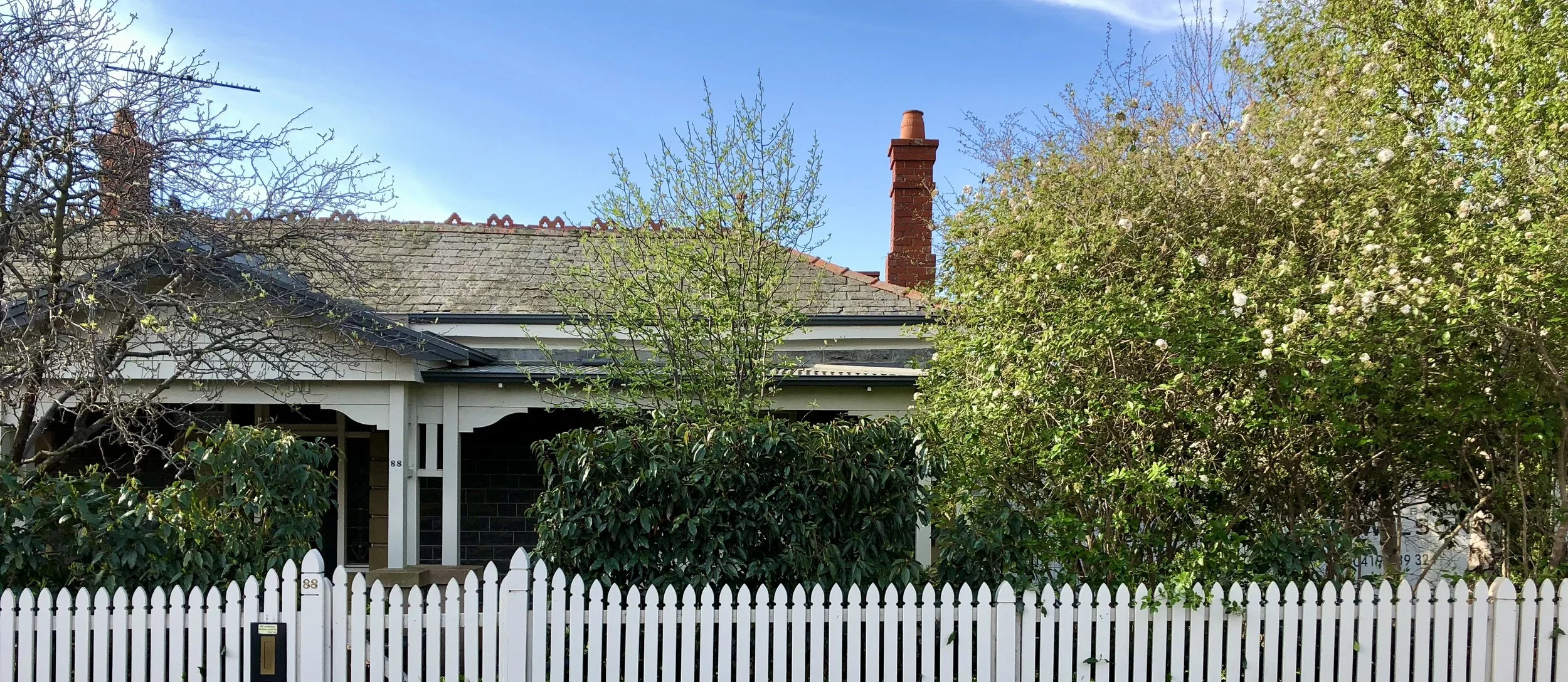
Successful heritage design requires an appreciation of, and respect for, architectural character, historical significance and context, balancing the preservation of these qualities with the practical and aesthetic demands of modern living.

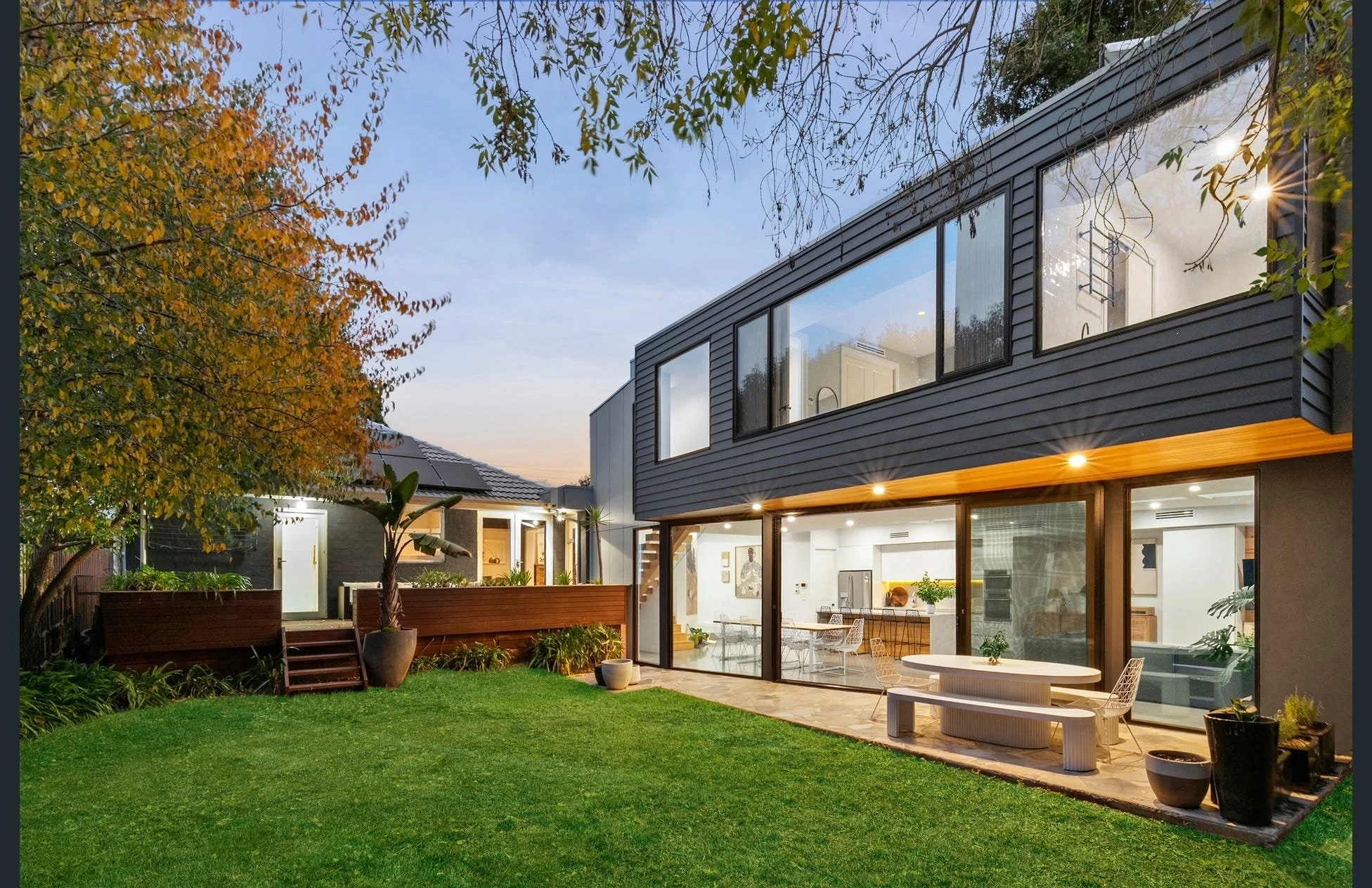
Achieving seamless integration and connection between existing and new spaces requires a depth of understanding and experience across both traditional and contemporary architectural design. Much of our portfolio represents this particular approach to hybrid contemporary heritage design, where traditional architecture is thoughtfully adapted and brought into the 21st century.

The challenge extends beyond the physical relationship between old and new, to creating cohesive, functional living environments that enhance contemporary amenity while preserving the qualities and character of the original building.

Heritage need not dictate architectural style, but inevitably influences and informs decisions relating to scale, proportion, articulation and materiality. Understanding and responding to these relationships provides the foundation for thoughtful architectural outcomes that respect the past while embracing contemporary living.

HERITAGE PLANNING AND APPROVALS

Heritage planning controls are often perceived as obstacles to development. However, they play a critical role in protecting the architectural character of properties and neighbourhoods, contributing significantly to their inherent value while preserving the architectural detail and building craftsmanship of the past. Understanding and respecting their purpose and intent is fundamental to achieving successful architectural and planning outcomes.

With over two decades of experience working within heritage overlays throughout Geelong, Melbourne and surrounding areas, we have developed an extensive understanding of the complexities associated with heritage planning and the opportunities available within the regulatory framework.

Successful outcomes require more than simply satisfying planning requirements. They demand an understanding of the underlying heritage objectives, the ability to anticipate potential concerns and the experience to negotiate appropriate design solutions.

Over the years, we have established long-standing professional working relationships with heritage advisory and planning departments within local authorities, providing a valuable foundation for efficient and constructive consultation, informed dialogue and the resolution of complex heritage design scenarios.

Our approach is to work constructively within the planning framework, recognising where flexibility exists, where negotiation is appropriate and where design adjustments may be necessary. This has enabled us to consistently achieve planning approvals for projects ranging from traditional restorations to substantial contemporary alterations and additions within heritage environments.

HERITAGE DESIGN & CONSULTATION

Heritage projects present a unique range of architectural, planning and construction considerations. Whether contemplating the renovation of an existing heritage property, a contemporary extension, internal reconfiguration, additional building levels or assessing the development potential of a property affected by a heritage overlay, informed professional advice at the outset can be invaluable.

Services encompass preliminary heritage and feasibility advice, architectural design for alterations and additions, internal spatial reconfiguration, the integration of additional building levels within existing structures, heritage restoration and refurbishment, and the preparation and management of town planning applications.

Consultation can be provided at any stage, from an initial assessment of a property's opportunities and constraints through to comprehensive design, documentation and construction-stage involvement.